
Bathroom & Shower Tile
Waterproofed correctly, set cleanly, and built to hold up in the most moisture-exposed room in the house.
Why Bathroom Tile Is Different From Other Tile Work
You notice a water stain on the ceiling below an upstairs bathroom. The tile looks fine. The grout looks fine. But water found a way through anyway, and now you are looking at a much more expensive repair than a proper waterproofing job would have cost.
Bathroom tile — and shower tile in particular — is not just a surface finish. It is part of a water management system. The waterproof membrane under the tile is what keeps water where it belongs. Tile and grout are not waterproof by themselves, which is a common misconception. The membrane is.
We apply a sheet membrane or liquid-applied membrane to shower pans and walls before any tile is set. Penetrations like drains and valve bodies are treated as potential leak points and sealed accordingly. The tile then goes over a properly prepared, waterproofed surface.
What We Handle
- Walk-in shower walls and floors
- Tub surrounds and tub deck tile
- Bathroom floor tile (all sizes and formats)
- Shower niches and bench surfaces
- Wet room floors with linear or center drains
- Dual-entry showers and corner showers
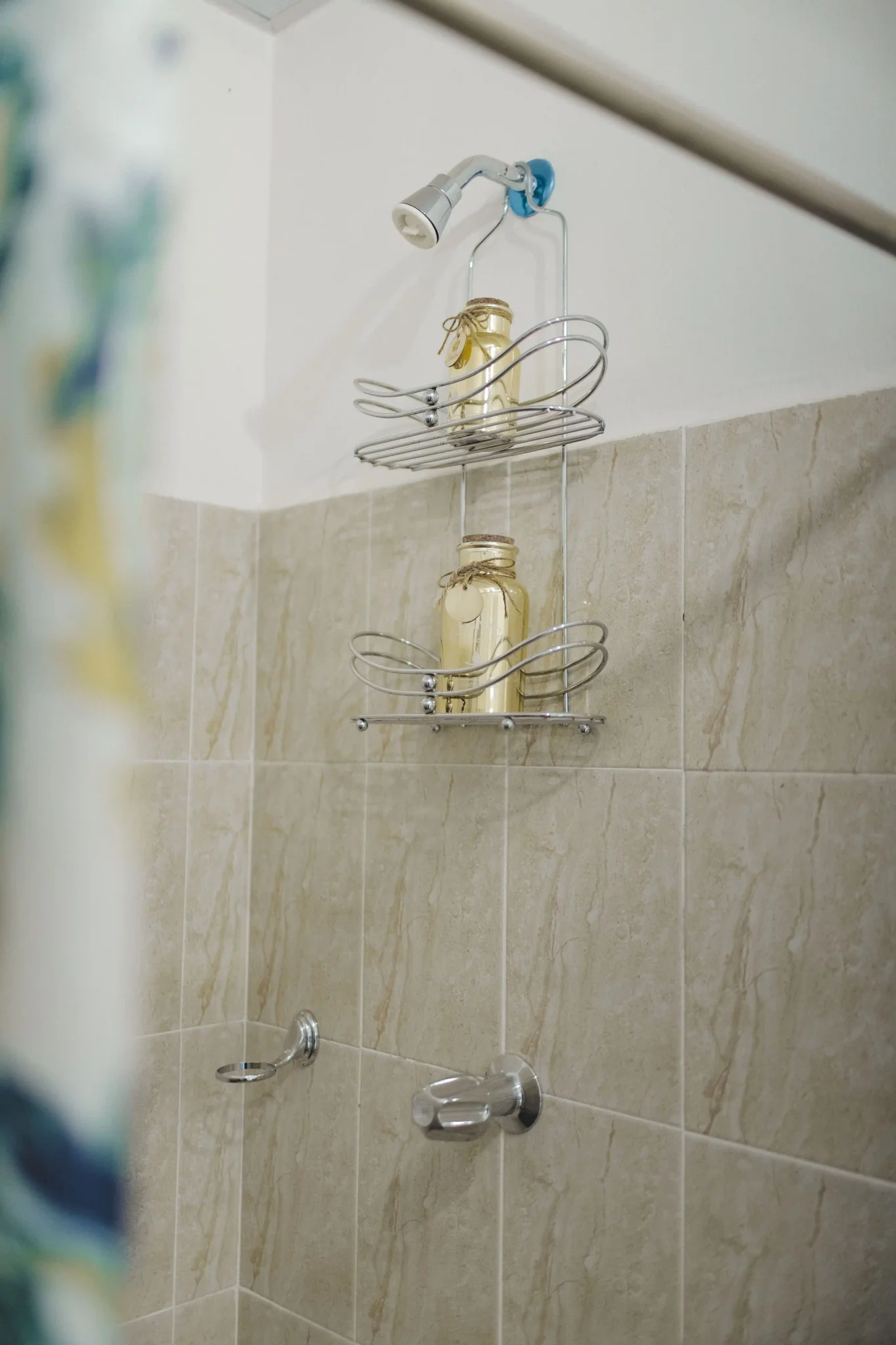
A Few Things That Separate a Good Shower Install From a Poor One
The floor of a shower needs to slope toward the drain at a consistent rate — typically 1/4 inch per foot. This slope is established in the mortar bed before tile goes down, not corrected afterward with thinset. A flat shower floor pools water and accelerates grout deterioration.
Recessed niches are one of the most common failure points in shower installations. The niche is cut into the wall cavity, which means it is surrounded by wood framing that absorbs moisture. Every niche we build gets waterproof membrane on all six interior surfaces before tile is applied.
Large-format tile (18 inches and larger) requires a minimum 1/8-inch grout joint because no large tile is perfectly flat. Forcing large tiles into 1/16-inch joints causes lippage — where one tile edge sits higher than its neighbor. Properly sized joints allow for natural variation in tile flatness.
Tile assemblies expand and contract with temperature changes. In showers, where temperature swings happen daily, a movement joint (typically filled with silicone rather than grout) at wall-to-floor transitions prevents cracking at corners over time.
Bathroom Tile Work Across Southwest Atlanta
West End
Older bungalows with bathrooms that have not been updated in decades.
Adair Park
Full bathroom renovations in 1920s craftsman homes.
Capitol View
Bathroom updates that modernize without losing the home's character.
Mechanicsville
Compact bathrooms where layout decisions matter a lot.
Ready to discuss your bathroom tile project? Reach out and we will schedule a walkthrough.
(470) 912-1656 Send a Message